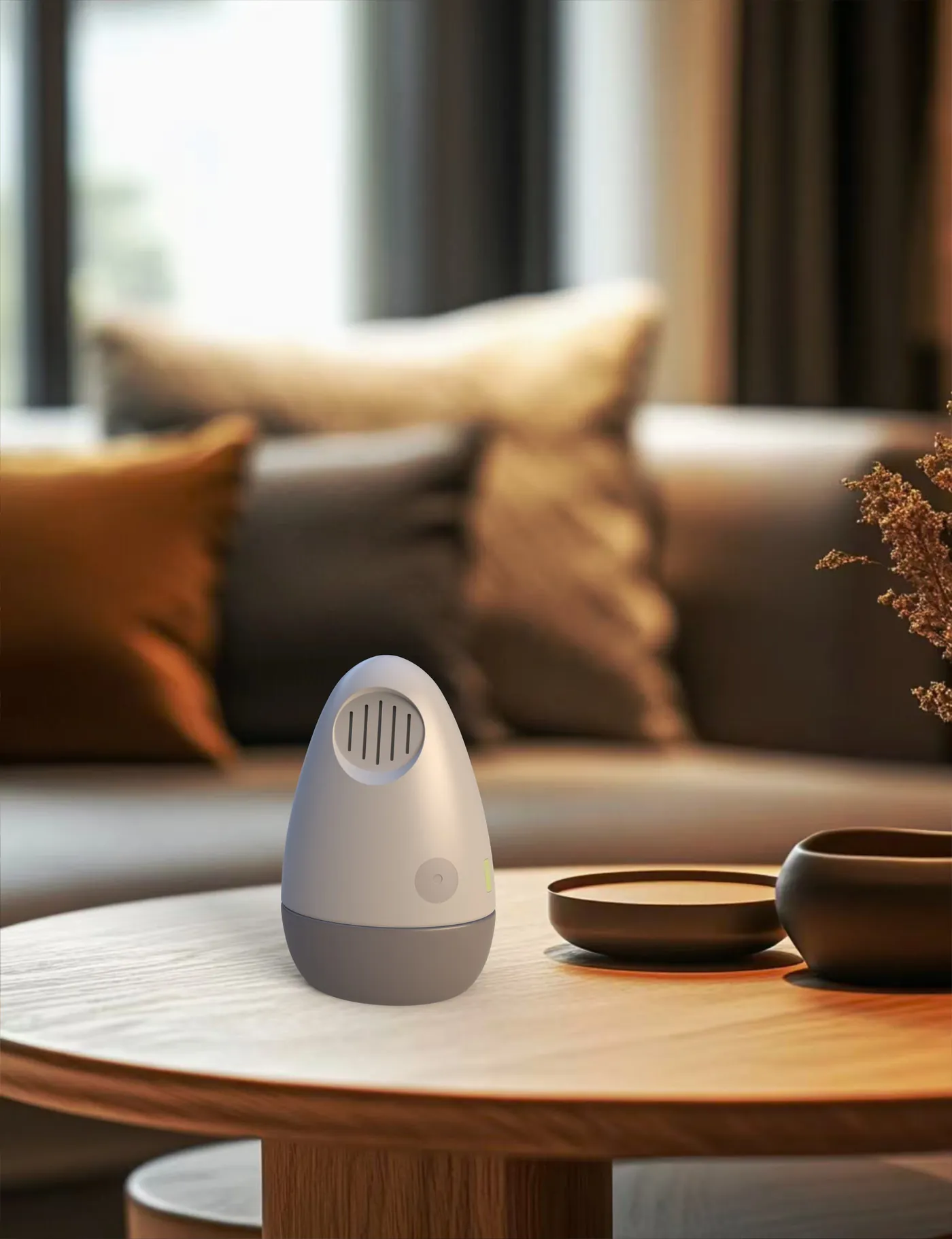
01.Background
Digital overload severely impacts productivity and mental health. During a 2024 summer in the marketing department of a Beijing internet company I watched colleagues burn out while maintaining a constant digital presence across Reddit, Quora and WeChat. It is a local instance of a global pattern: the inability to disconnect in hyper-connected workplaces.
I wanted to investigate how calm technology and ritual design can foster digital wellbeing, bridging technological presence and the fundamental human act of breathing.
02.User Research
Research ran in three passes: naturalistic data from Reddit and Rednote organised with an affinity diagram, a quantitative survey, and qualitative interviews.
Survey, N=50
The most affected segment is young professionals: aged 26–30, full-time employed, 1–3 years into their career. Somatic symptoms are common: 88% report dizziness, 92% numbness, plus leg weakness.
Primary triggers · score out of 5
Negative impact · score out of 100
Coping strategies were scored on accessibility, effectiveness, duration, consistency and social acceptability, comparing meditation, temporarily leaving and distracting attention.
Qualitative interviews
“Sometimes I have to leave the meeting. I tell people I have an urgent call, but really I’m trying to prevent a panic attack. I’ve turned down promotion opportunities because they involved public speaking. I wish there were resources that didn’t require me to publicly identify as anxious.”
“When the high pressure hits, I don’t just feel stressed; I dissociate. My brain “flights”. I need something to immediately confirm I am safe right now. I need a physical anchor to connect back with my body and the present moment, not just another app notification.”
“I’m extremely sensitive to sounds. If I hear a loud voice in the office, my mind just goes blank, and I feel physically suffocated. It’s not just “being sensitive”; it’s an automatic physiological reaction that I can’t control with rational thought.”
Primary persona

Wei Li
Goals
- Regulate physical symptoms (trembling) discreetly.
- Maintain the “professional mask” at all costs.
- Find a coping mechanism that doesn’t require leaving the desk.
Frustrations
- Meditation apps feel too slow and demanding.
- Fear that visible anxiety equals “weakness”.
- Over-analyses feedback loops.
The cycle of “hidden” anxiety
| Stage | What Wei does | What she thinks | Pain point |
|---|---|---|---|
| 1Bracing | Checks calendars, organises the to-do list, aligns items on the desk perfectly. | “If I organise everything, I am safe.” | |
| 2Trigger | Sees a notification pop up. Freezes, stops typing, stares at the screen. | “A meeting invite from boss? What did I do wrong?” | Uncertainty triggers instant catastrophic thinking. |
| 3Peak | Hyperventilates slightly, hands shake, unable to focus on tasks. | “I am going to get fired. Everyone is watching me.” | Critical gap: no tool available to arrest somatic symptoms here. |
| 4Escape | Abruptly leaves the desk, goes to the restroom, washes her face with cold water. | “I just need to get away. I will go to the restroom.” | Leaving the desk confirms the “weakness” narrative. |
| 5Aftermath | Returns to the chair and stares blankly. Tries to restart work but is distracted. | “I wasted 30 min. Now I am behind schedule.” | Loss of productivity creates secondary anxiety. |
Key findings
03.Design Opportunity
Mapping existing stress-relief tools on a tech-intensity × scenario matrix showed they are either too obvious, too simple, or lack physical feedback. The opportunity: a subtle, multisensory phygital device that offers comforting, playful and tangible relief at the desk.
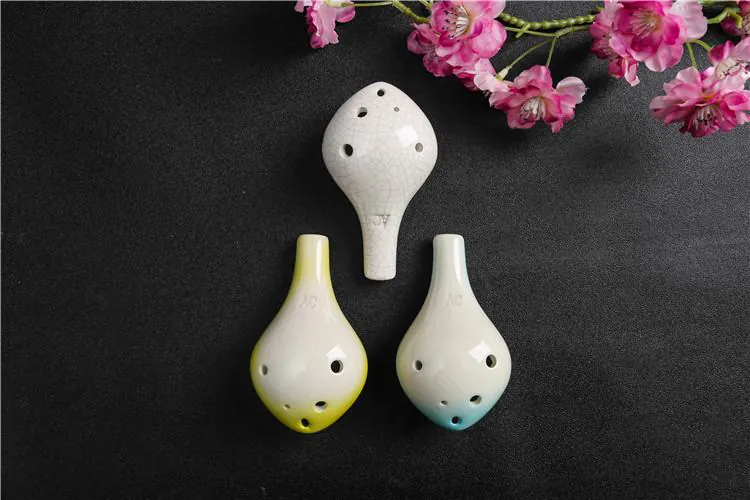
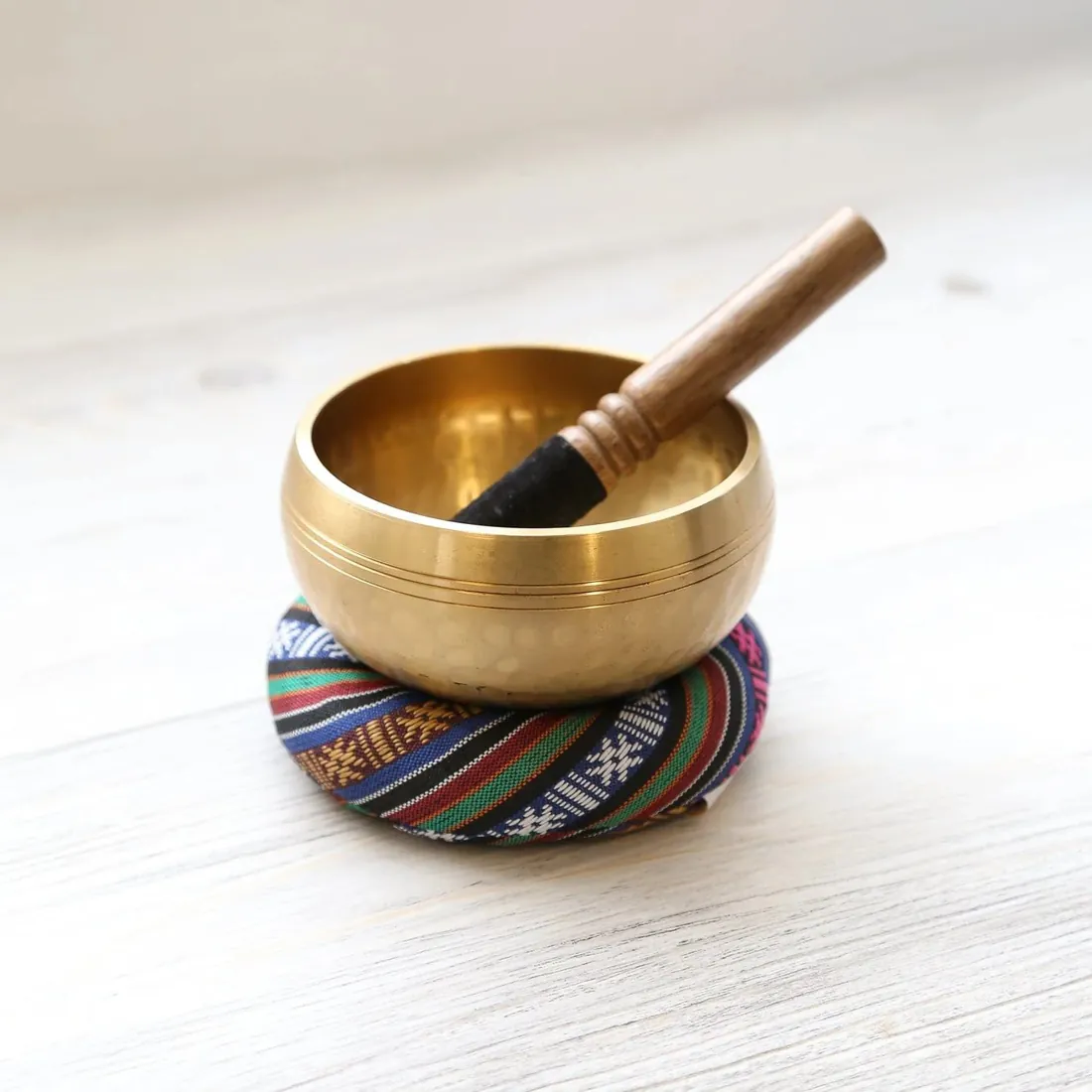
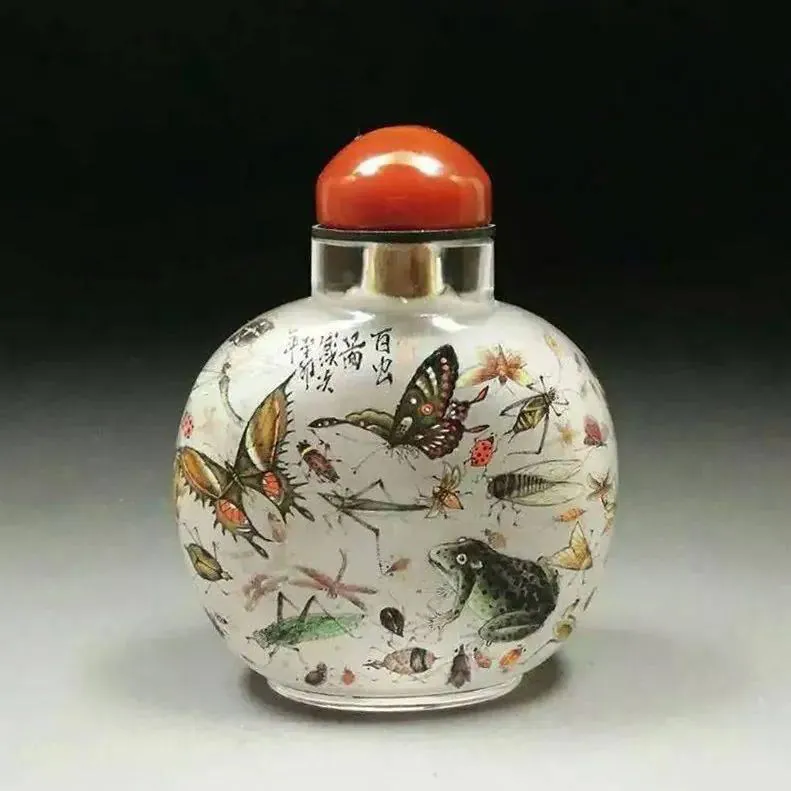
Existing tools cluster around established interaction patterns, multi-sensory feedback loops, guided breathing mechanics, haptic feedback, natural elements, focus and productivity apps, and robust feedback systems. I looked for inspiration in three directions.
1 · Interaction: tangible, breath-controlled devices
How can physical objects intuitively guide a non-physical act like breathing?
- Ocarinas & wind instruments. An ancient and intuitive precedent for a “breath-in, feedback-out” device. The physical act of holding and breathing into an ocarina is inherently focusing and meditative.
- Meditation tools (stress balls, singing bowls). Objects that provide tangible, haptic feedback. Their purpose is to ground the user in the present moment through a physical anchor, a core requirement for the device.
2 · Sensory: discreet, personal aromatherapy
How to make the experience multi-sensory and discreet, moving beyond just the screen?
- Snuff bottles (鼻烟壶). A key inspiration: historic, beautifully crafted objets d’art designed for personal, portable and discreet sensory relief. They directly informed the replaceable aromatherapy pods, framing the device as a personal, elegant accessory rather than a medical tool.
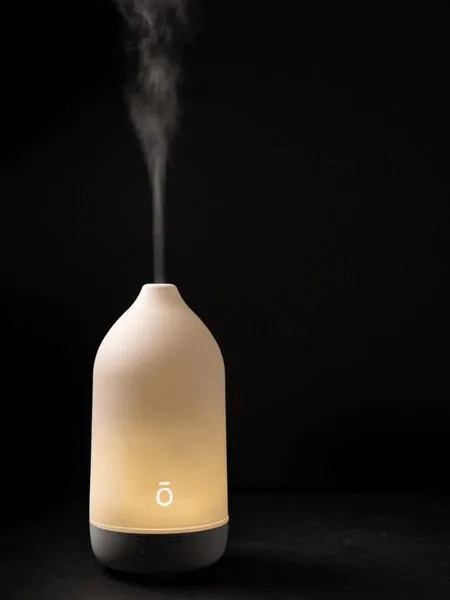
- Modern aromatherapy diffusers. These established public acceptance of scent as part of a wellness routine. The goal was to make this experience personal and portable.
3 · Gaming: “no-guilt” digital companionship
- Finch: Self-Care Pet. The prime case study. It perfects the “care for a pet, care for yourself” model; users’ feedback that “caring for Finch taught me to care for myself” validated the companion-based approach.
- Neko Atsume & Usagi Shima. These “Zen collector” games provided the no-guilt mechanic: success is defined by passive attraction and gentle interaction, not by stressful obligation or streaks. Essential for a product designed to reduce anxiety, not create it.
04.Iterations & Concept
Form explorations moved from penguin and bottle silhouettes to the final egg-like body, sized around an ESP32-C6 and a flow sensor. The concept is a complete ecosystem of hardware and software.
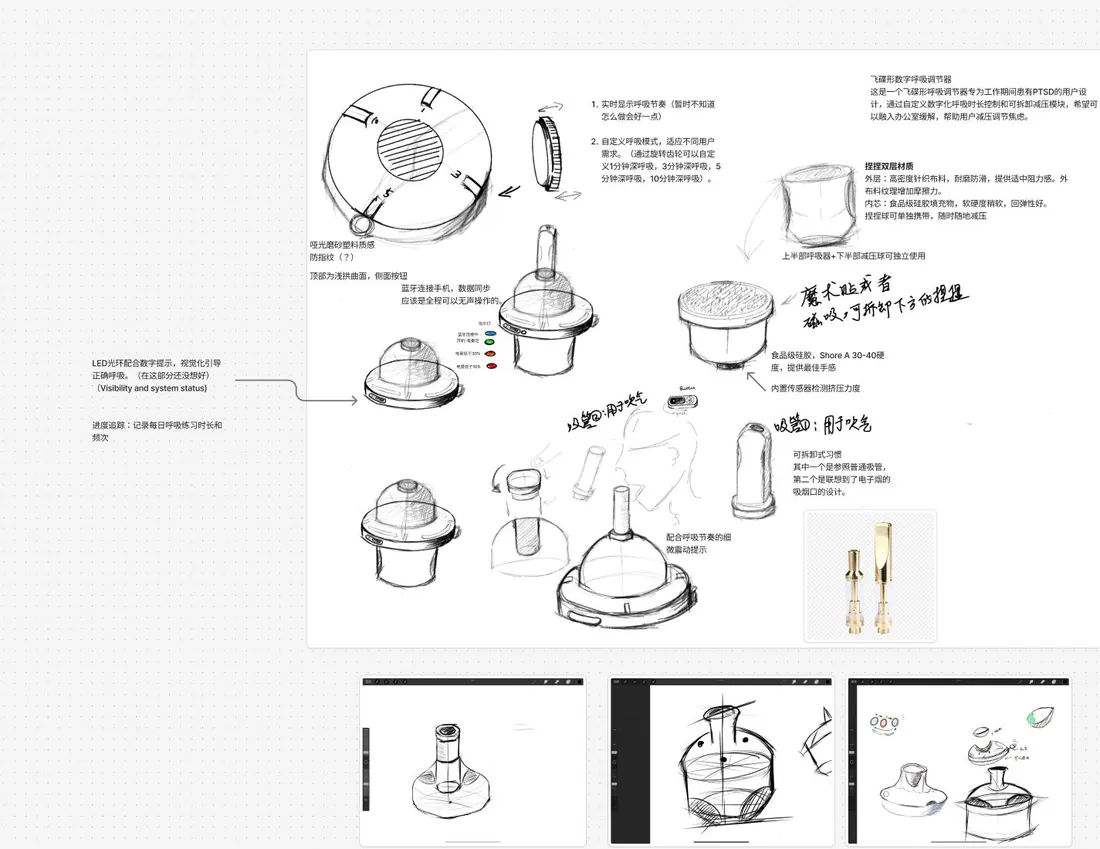
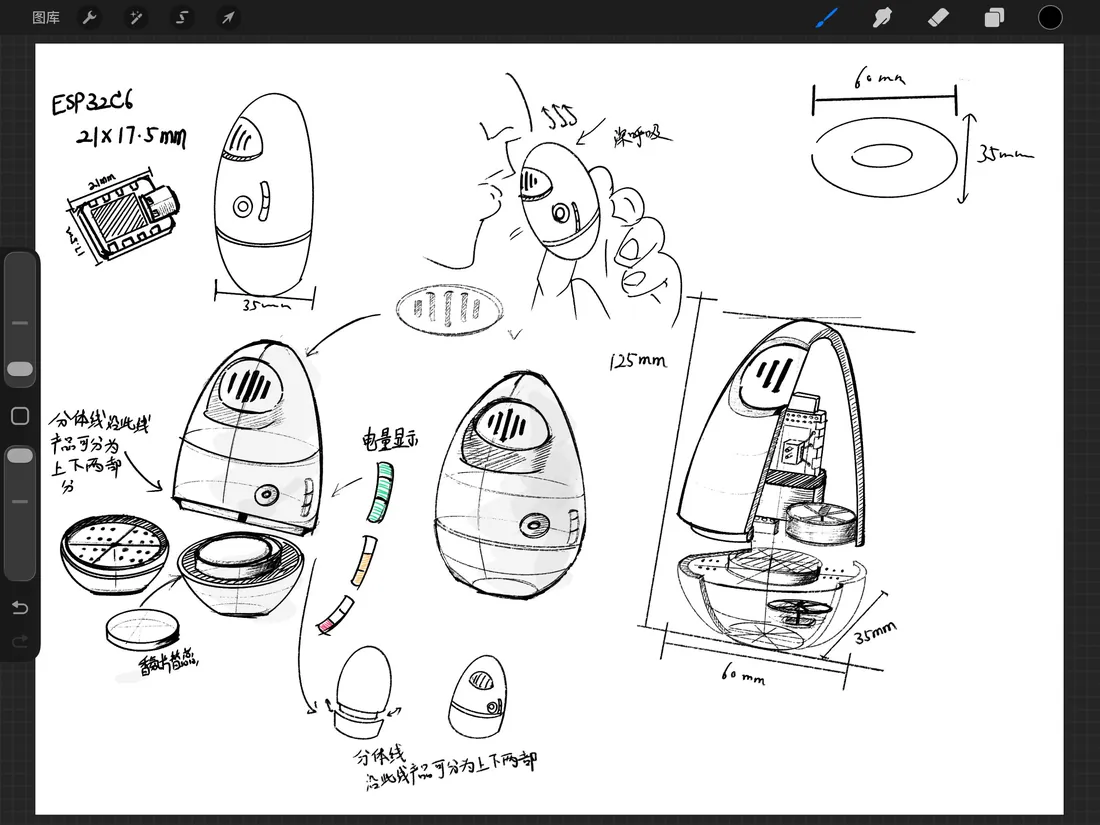
Form explorations: penguin, bottle and egg silhouettes; breath inlet, scent module and base details.

05.Final Design
Product. Breath inlet, glowing rabbit ears, battery indicator, a detachable rotating base and a replaceable aromatherapy insert. Three material options let users choose by sensory preference and context.
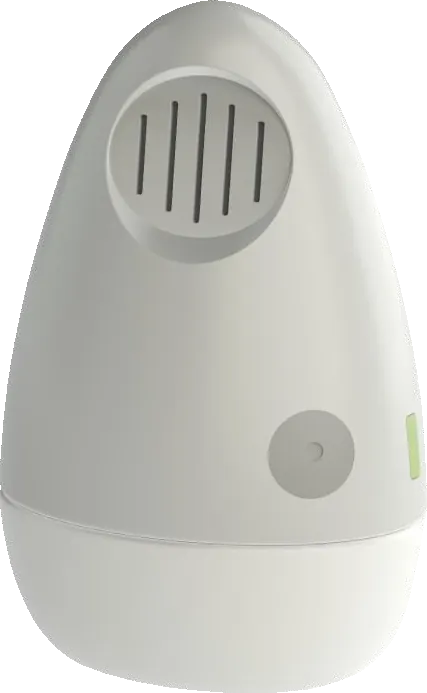
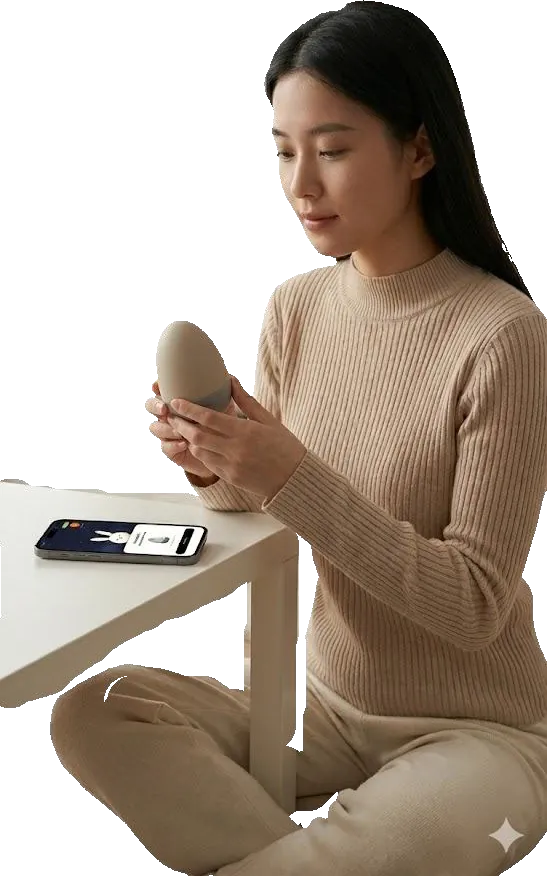
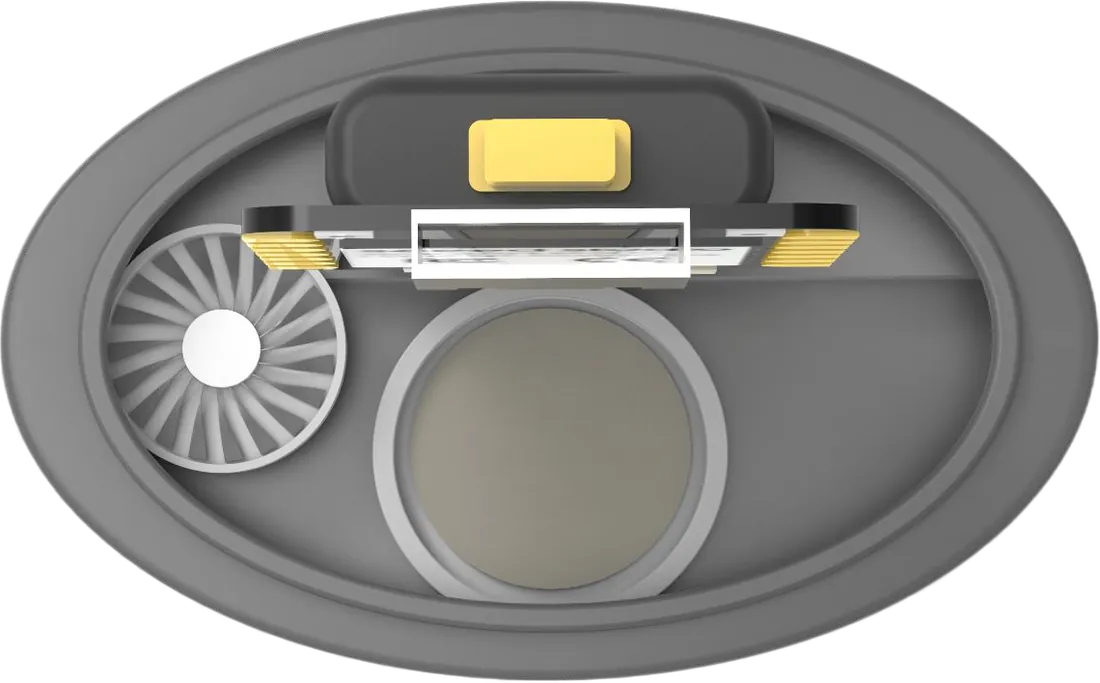
Render, in-hand use and the section view.
System. From picking the device up to collecting a reward:
App. After connecting the device, Quick Start begins a session; users set duration and breathing pattern, and each session unlocks random rewards collected in the Album.
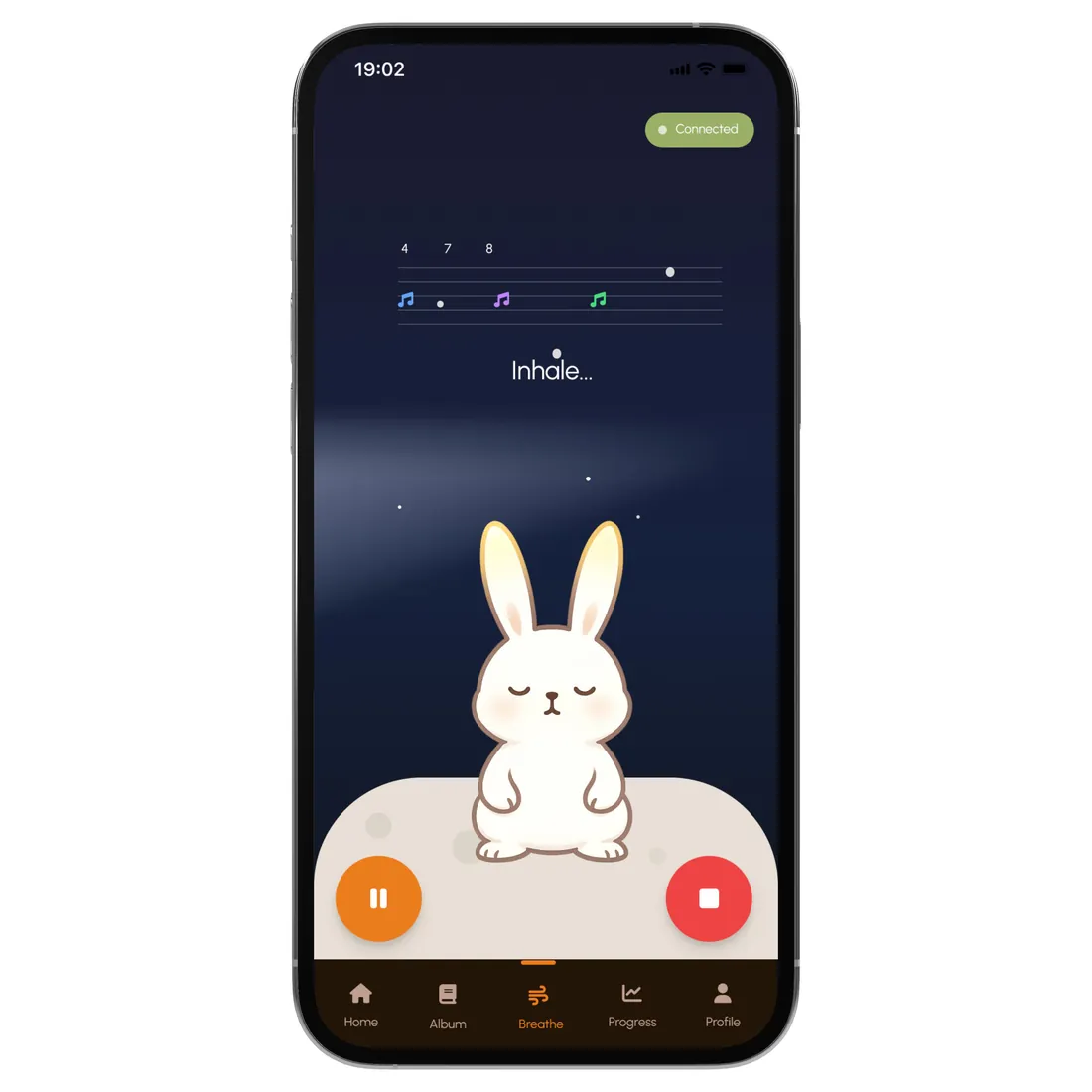
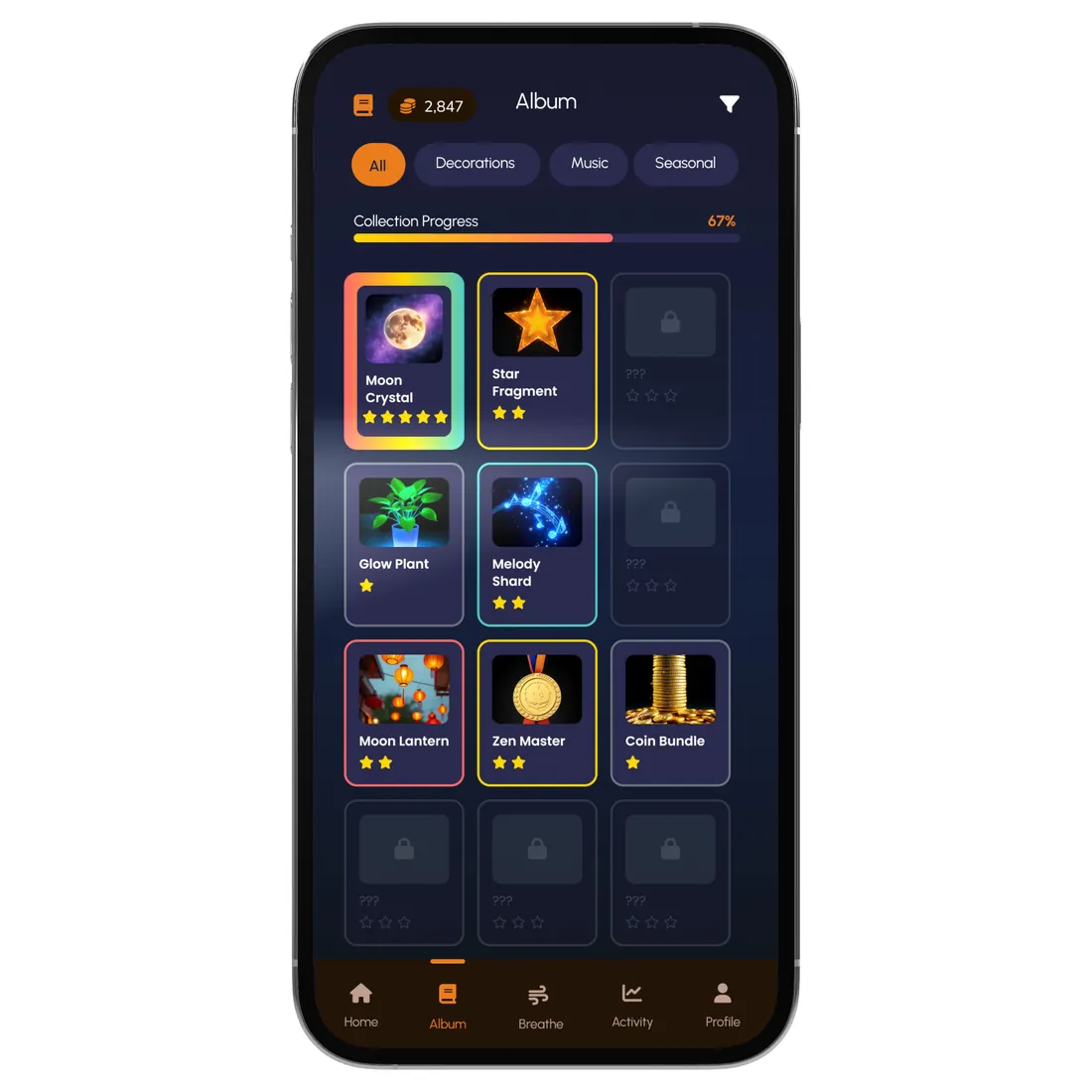
Quick Start session with the rabbit, and the Album of collected rewards.